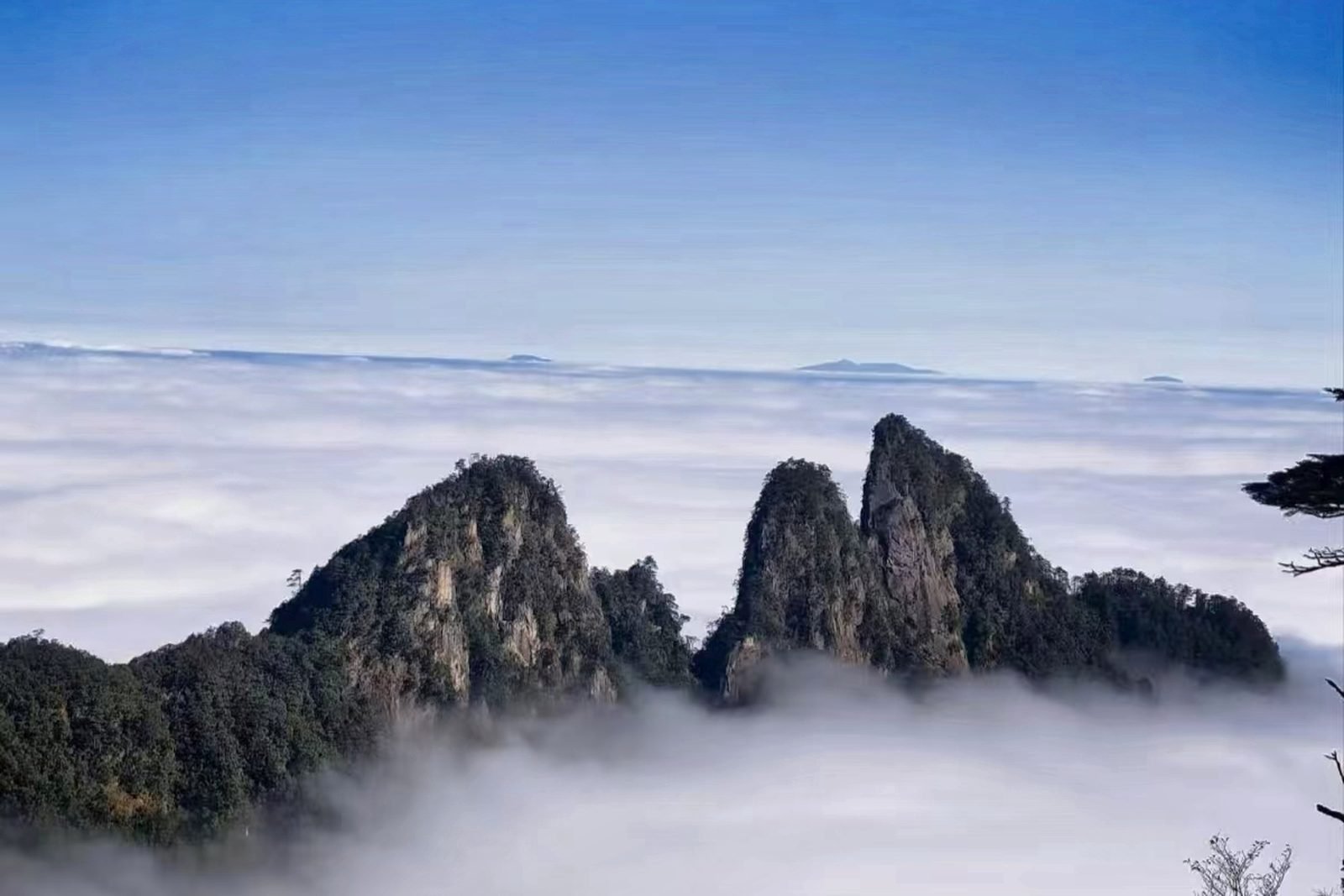
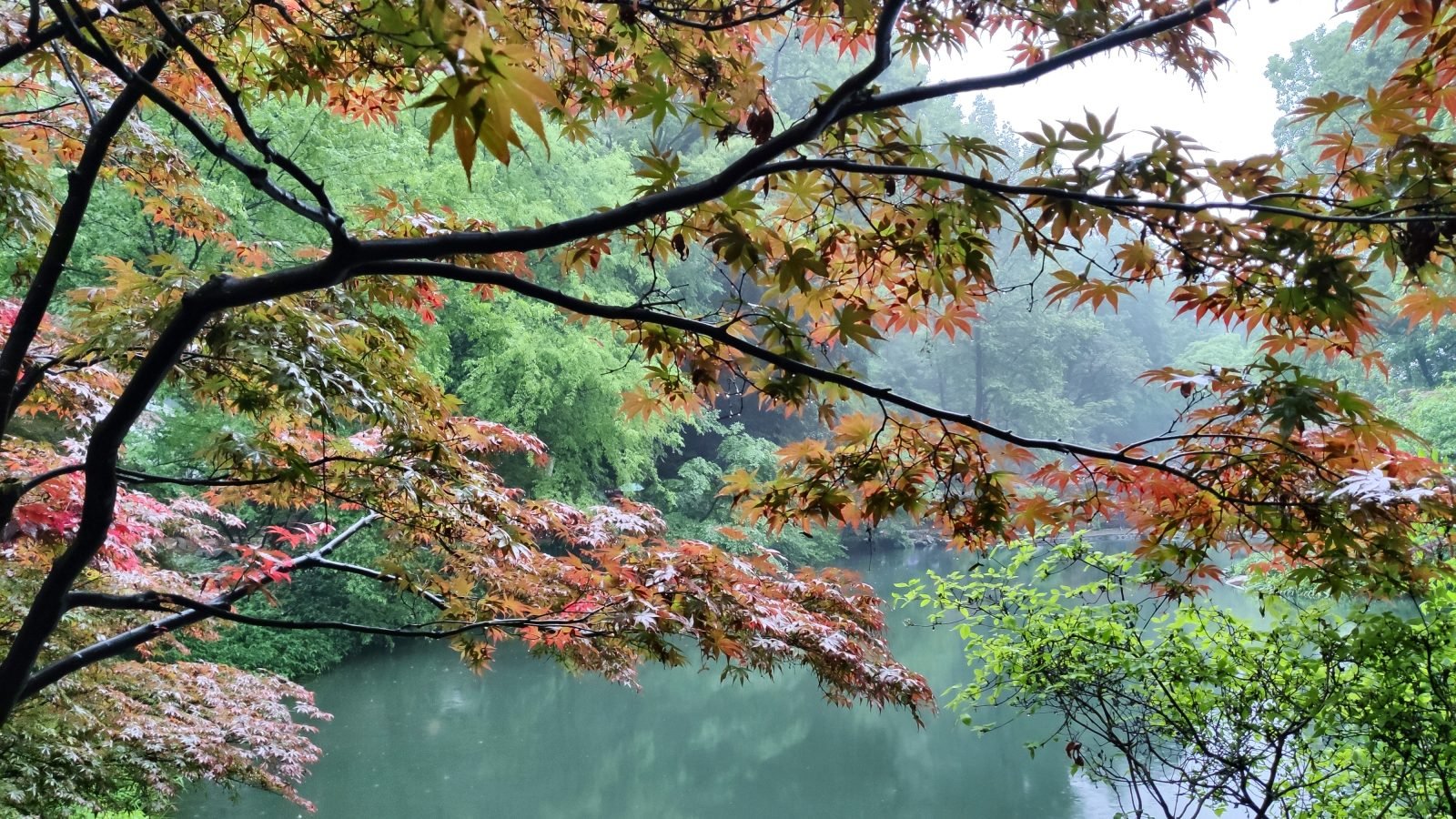
Hunan’s capital has spent the last decade turning itself into one of China’s most-visited “internet-famous” cities, but its sights go back much further than any livestream. Changsha sits on the Xiang River in central Hunan, home to roughly 10.6 million residents across its urban districts as of 2024, and it works well both as a standalone three-day trip and as the northern anchor for a longer Hunan itinerary that continues south toward Chenzhou’s waterfalls and canyons. Below is a practical first look at the city: what to see, how to get there, and how to move around once you land.
Population
~10.6 million
City districts, 2024
Best time to visit
Apr & Sep–Oct
Mild, clearer skies
Known for
Night markets & TV culture
Hunan Satellite TV, Mango TV
A City Built on a Two-Thousand-Year Head Start
Archaeological finds place organized settlement at Changsha back into the Warring States period, when the area belonged to the state of Chu. Centuries later, in 1972–74, workers excavating near the eastern edge of the city uncovered the Mawangdui tombs, a Western Han-dynasty burial complex that turned out to hold one of the best-preserved human bodies from antiquity anywhere in the world, alongside silk paintings and garments so fine that a full robe weighs less than fifty grams. Those finds now anchor the collection at the Hunan Museum, and they are the single biggest reason archaeologists and curious travelers alike put Changsha on a map that used to be dominated by Xi’an and Beijing.
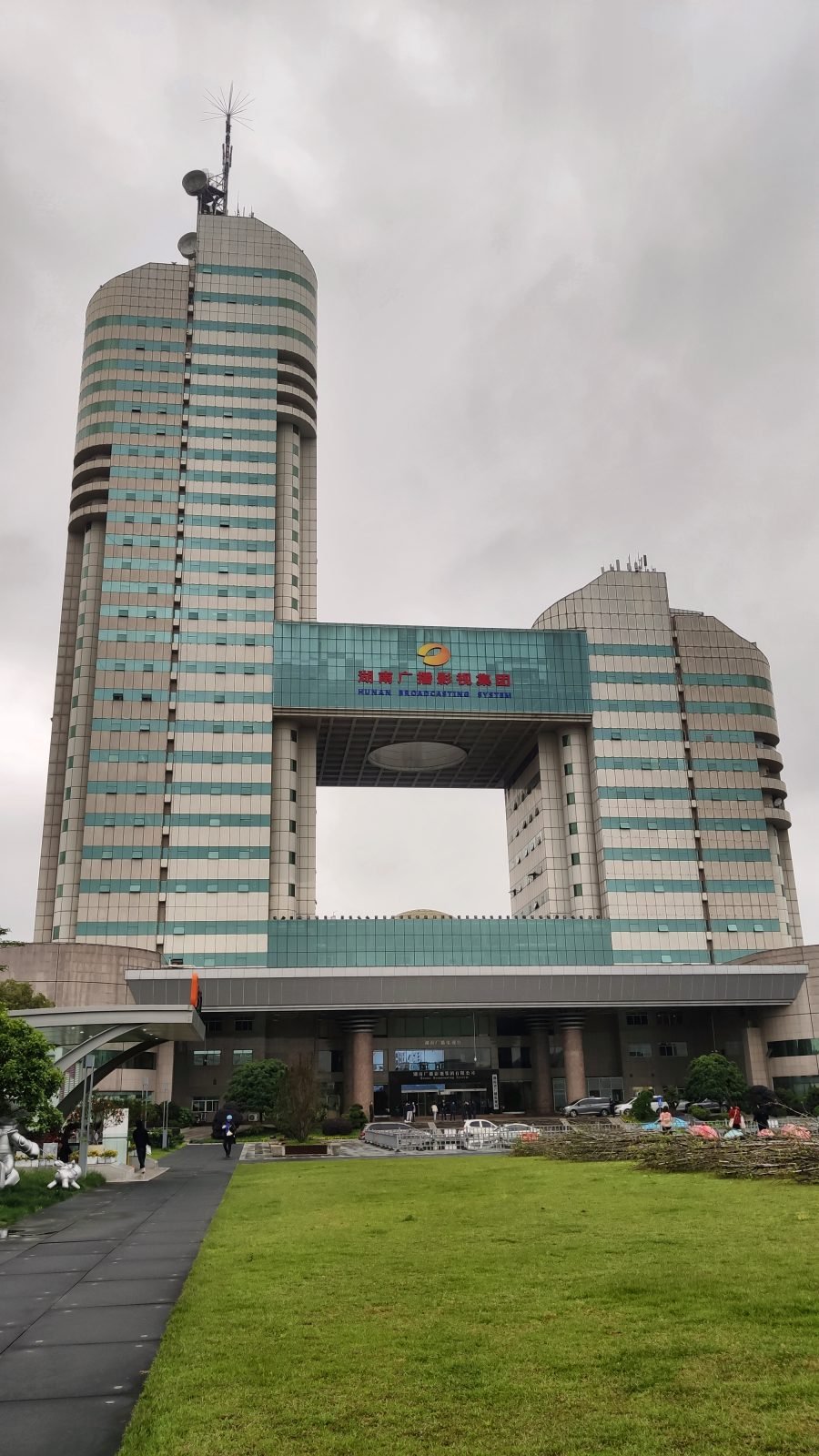
Confucian scholarship left its own mark here. Yuelu Academy, founded in 976 during the Song dynasty, ranked among the four great academies of imperial China and trained generations of officials and reformers; its grounds later became the founding core of Hunan University, which still occupies the same hillside today. Modern Changsha carries that scholarly reputation alongside a newer one: Hunan Satellite TV and its streaming arm Mango TV are both headquartered here, and the variety-show and livestream economy they built helped turn the city’s night markets, crawfish stalls, and retro-themed food halls into some of the most photographed street scenes in China.
Where to Start: Changsha’s Core Sights
Orange Isle: A River Park with Fireworks and a Giant Stone Head
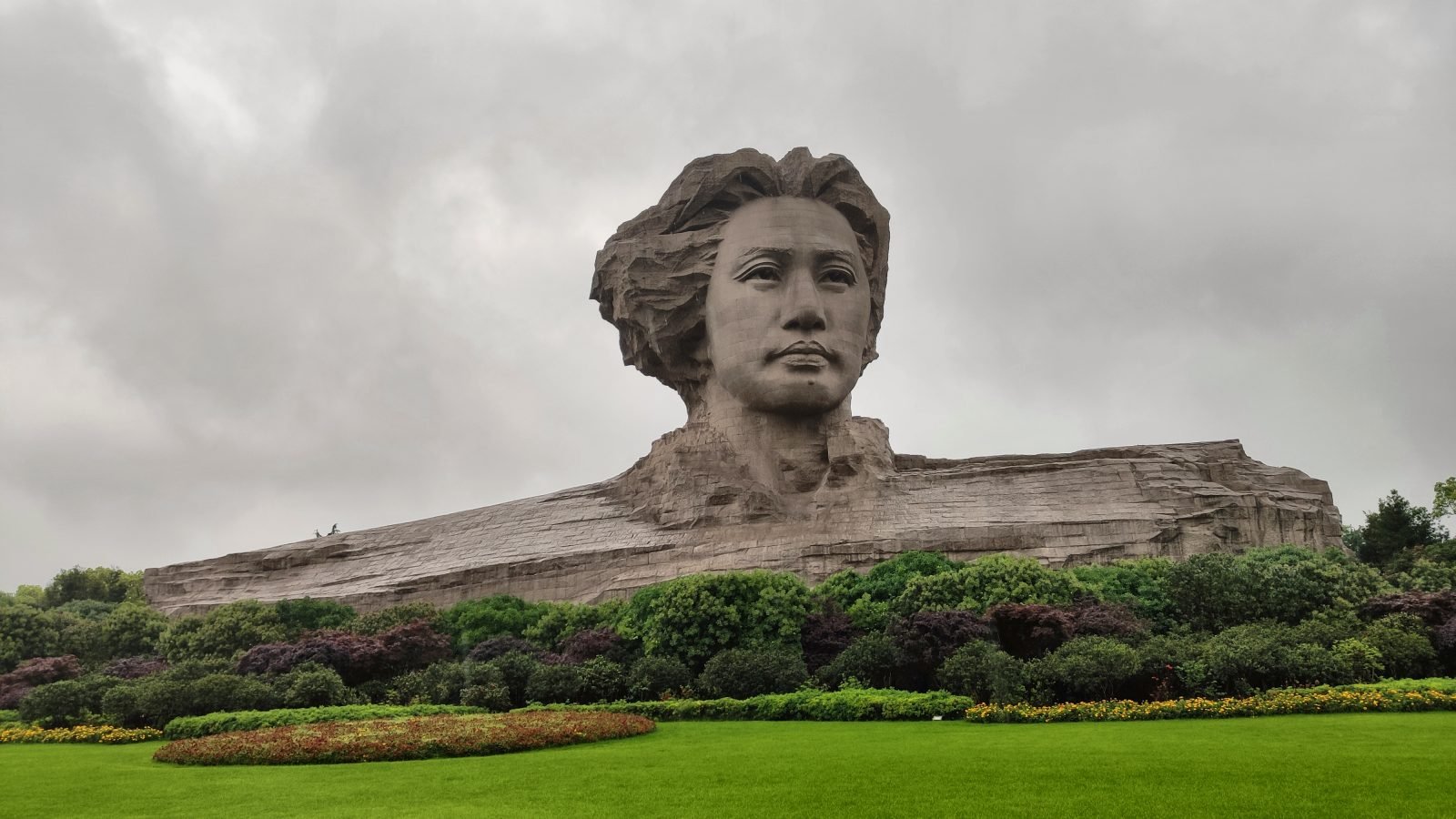
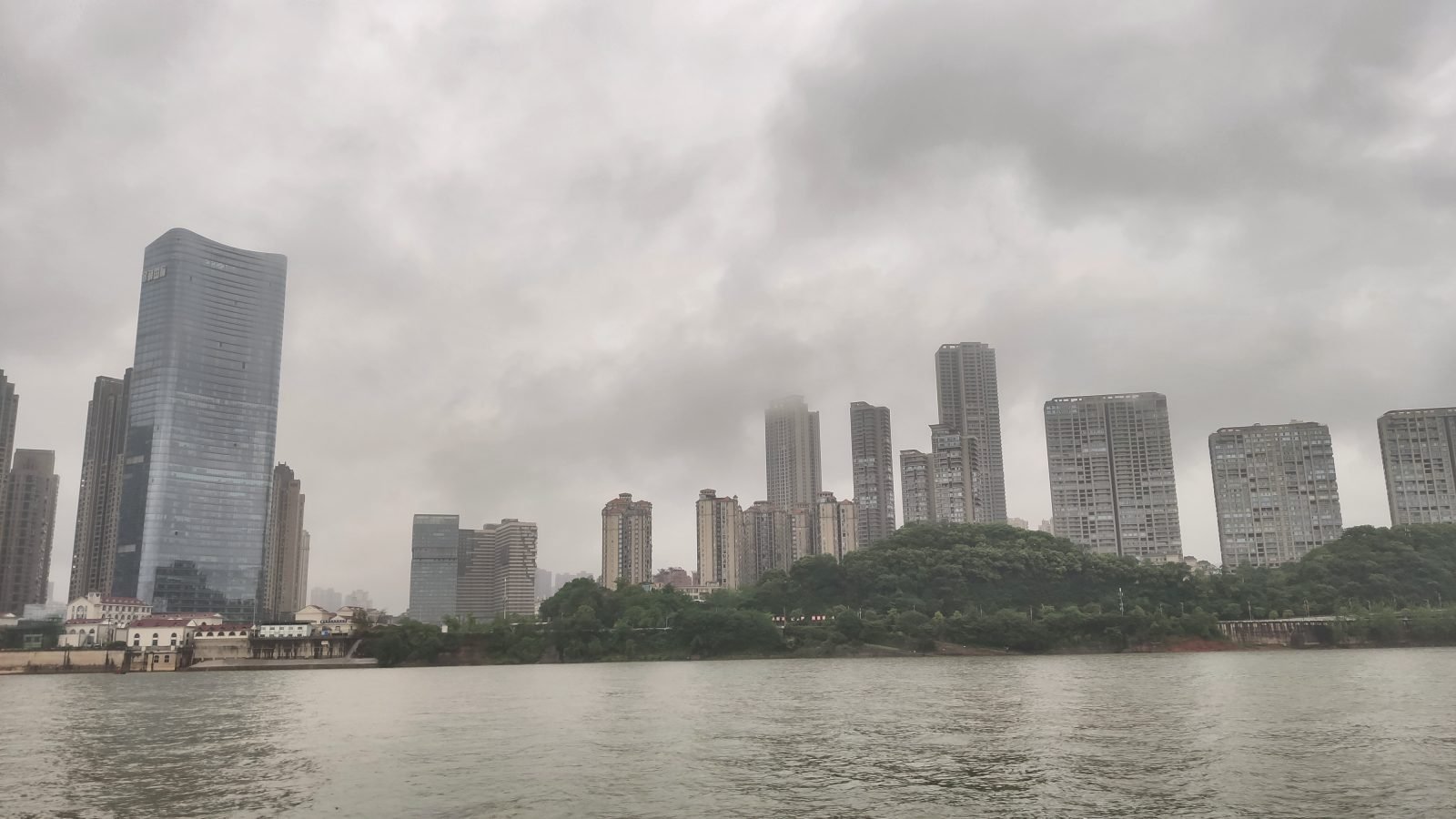
Orange Isle (橘子洲) is a long, narrow sandbar park splitting the Xiang River just west of the city center, and locals will tell you it is the largest river island of its kind in China. Entry to the park itself is free, though a paid electric shuttle covers the island’s full length for visitors who would rather not walk it; check current shuttle fares at the entrance, since they’re adjusted periodically. The island’s best-known landmark is a roughly 32-meter-tall granite sculpture of a young Mao Zedong’s head, installed in 2009 and visible from much of the park. On weekend evenings in the warmer months, the island hosts fireworks displays over the river; the schedule shifts by season, so confirm the current night and time locally before planning an evening around it.
Yuelu Mountain and Yuelu Academy: A Thousand-Year Classroom on a Hill
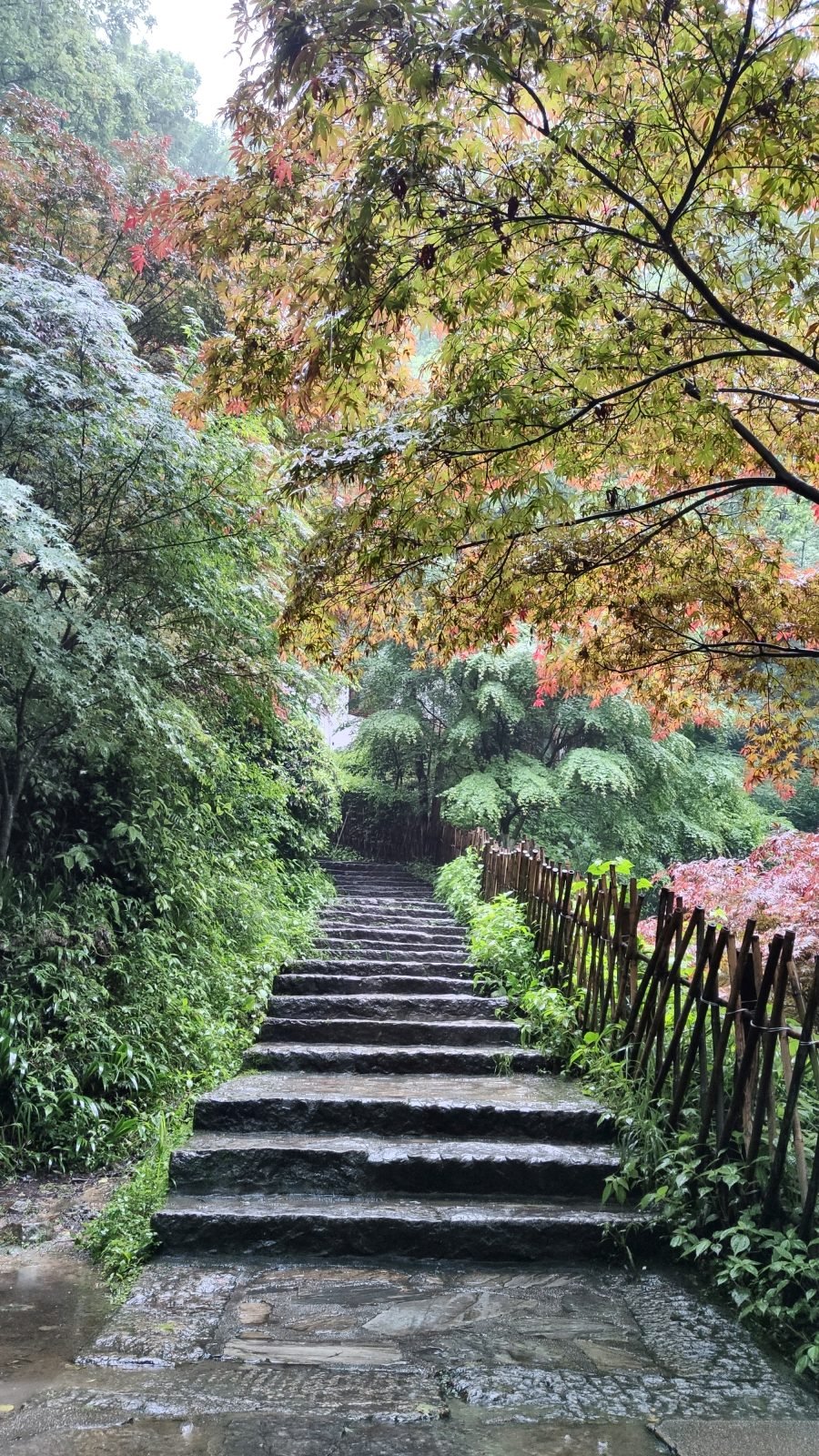
Across the river from Orange Isle, Yuelu Mountain rises just high enough for an hour’s hike to reward you with a skyline view over the Xiang River. The mountain park itself is open to the public without charge. Yuelu Academy, tucked at the mountain’s eastern foot, is a separate ticketed site: admission runs ¥50, with hours from 7:30 a.m. to 6:00 p.m. between May and October and 8:00 a.m. to 5:30 p.m. the rest of the year (confirm current hours before visiting, since museums and heritage sites in China occasionally adjust seasonal schedules). Inside, restored lecture halls, stele inscriptions, and a small museum trace the academy’s run from Song-dynasty classroom to modern university gate — Hunan University’s main campus now wraps around the academy grounds, so you’ll see current students crossing paths with the same stone archways their predecessors used a thousand years ago.
Hunan Museum: Walking Through a 2,000-Year-Old Tomb
Hunan Museum holds the Mawangdui finds along with more than 180,000 other objects spanning bronzes, lacquerware, and calligraphy. Admission is free, but a same-day walk-in is not guaranteed: the museum requires advance reservations through its official WeChat account or website, generally opened one to seven days ahead, and you’ll need a valid ID (passport for overseas visitors) to collect your ticket on arrival. The museum is open Tuesday through Sunday, 9:00 a.m. to 5:00 p.m., with last entry at 4:00 p.m., and it closes Mondays except on public holidays. Give the Mawangdui gallery itself at least an hour; the preserved silk banner and the burial garments reward slow looking rather than a quick pass-through.
Taiping Street and the Retro Food Halls of Wenheyou
Taiping Street is Changsha’s best-preserved stretch of old shopfronts, a short pedestrian lane near the river lined with Qing- and Republican-era buildings, teahouses, and snack stalls. It connects easily on foot to Pozi Street and the century-old Huogongdian food complex nearby, both worth a wander if you want a sense of the city before its current reinvention. That reinvention has a name: Wenheyou, a Changsha-born food brand that street vendor Wen Bin started in 2011 with about ¥5,000 and a stall selling local snacks. Local TV coverage and influencer attention helped it grow fast, and in 2018 the brand opened “Super Wenheyou,” a multi-story food hall built to look like a 1980s Changsha street scene, stairwells, old shopfronts, and all. It has since become one of the most recognizable stops in the city for people who want Changsha’s street-food culture staged, photogenic, and all under one roof.
Getting to Changsha
Changsha Huanghua International Airport (CSX) sits about 25 km east of Wuyi Square, the de facto center of downtown. From the airport, four options cover most budgets and schedules:
Metro Line 6 — runs direct to Wuyi Square in roughly 40 minutes for a few yuan; the cheapest option if you’re not in a hurry.
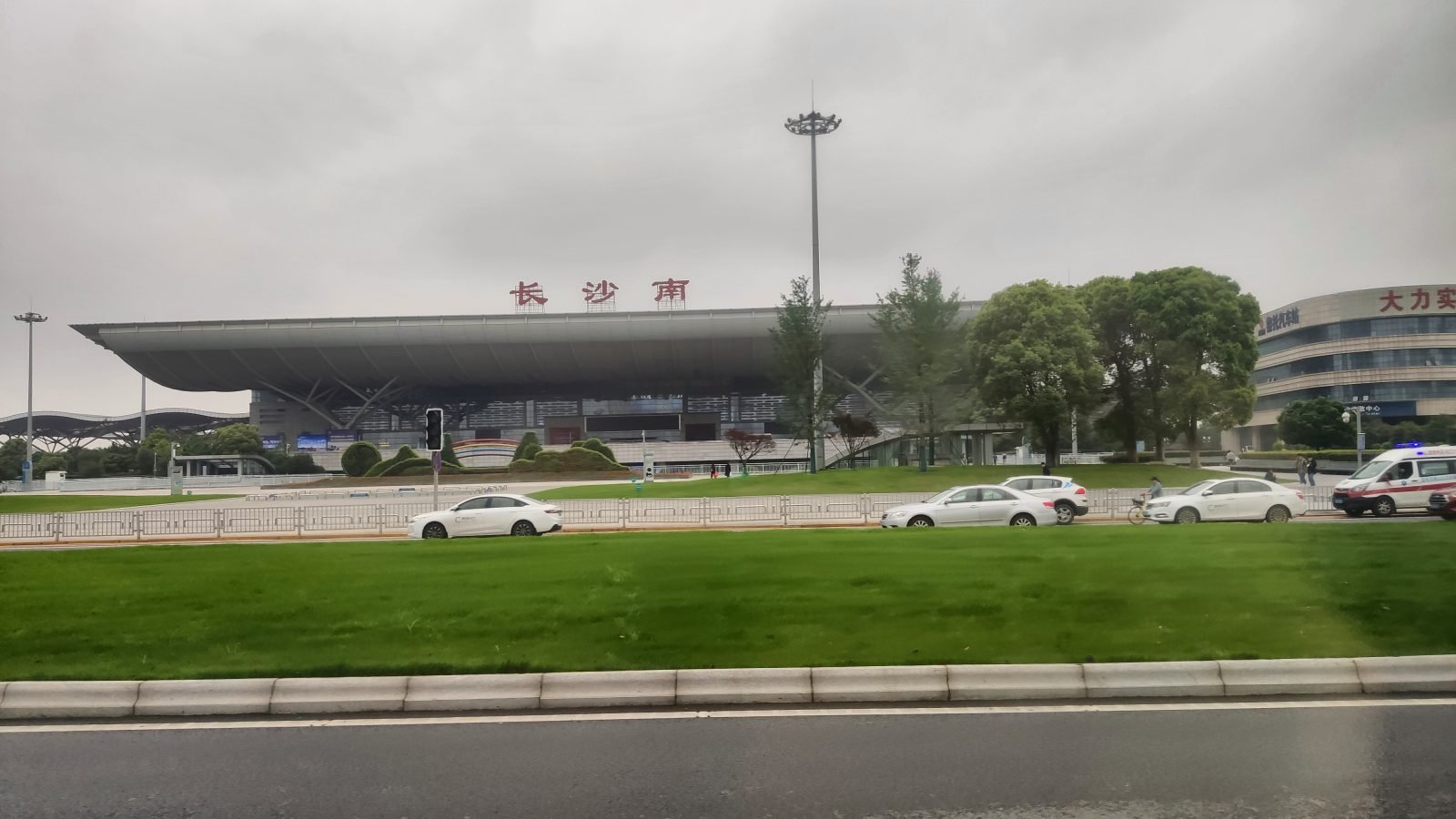
Maglev (Line S2) — covers the 18.55 km to Changsha South Railway Station in about 19–20 minutes for roughly ¥20, running approximately 7:00 a.m. to 10:30 p.m.; worth it if you’re connecting onward by high-speed rail.
Airport bus Line 1 — goes to Changsha Railway Station in about 40–50 minutes for around ¥16.5; tickets are sold near the arrivals gate.
Taxi or ride-hailing — around ¥60–80 and 30–40 minutes into the city center, depending on traffic; use the official taxi rank or a ride-hailing app rather than drivers soliciting inside the terminal.
By rail, most high-speed trains use Changsha South Railway Station, a major hub on the Beijing–Guangzhou and Shanghai–Kunming high-speed lines, while older and some regional services use the original Changsha Railway Station closer to the city center. Metro Line 2 connects the two stations directly, so arriving at one and needing the other is a non-issue.
Getting Around Once You’re There
Changsha Metro now runs six lines covering more than 200 km of track, enough to reach most of the sights in this guide without a taxi. Line 2 is the one you’ll use most as a first-time visitor, since it links the two railway stations and runs close to the riverside core; Orange Isle, Yuelu Mountain, and the Taiping Street area are all a short walk or a quick transfer from stops along it. For everything the metro doesn’t reach directly, Didi (China’s main ride-hailing app) works reliably in Changsha, and standard taxis are easy to flag on main roads, especially around Wuyi Square and the railway stations. Buy metro tickets at station machines with cash or a mobile wallet, or skip the queue entirely with a transit QR code set up in Alipay or WeChat Pay before you arrive.
Planning Your Visit
Three days is a comfortable minimum: one for Orange Isle and the riverside, one for Yuelu Mountain, the academy, and Hunan University’s surrounding streets, and one for Hunan Museum, Taiping Street, and an evening at Wenheyou. Spring and autumn give you the clearest skies and the most comfortable walking weather; Changsha’s summers run hot and humid enough that midday outdoor sightseeing on Orange Isle or the mountain trails is worth avoiding, and winters turn cold and occasionally smoggy. Budget travelers can see every major sight in this guide for well under ¥200 in entrance fees, since Orange Isle, the mountain, and the museum are all free or close to it — Yuelu Academy’s ¥50 ticket is the one real exception.
Pairing Changsha with the Rest of Hunan
Changsha works well as the start or end point of a longer loop through Hunan. Roughly two to three hours south by train or expressway, Chenzhou anchors a cluster of landscapes that reward travelers who want mountains and rivers after a few days of museums and street food. If a comprehensive overview of that city is what you need first, this site’s Chenzhou travel guide (linked above) covers it the same way this page covers Changsha. From there, Gaoyi Ridge’s red sandstone cliffs and the fog-wrapped river at Xiaodongjiang make for a dramatic one-two punch, while Mangshan’s old-growth forest suits travelers who want a full day of hiking with barrier-free trail options built in. Food-focused travelers headed that way should also look at this site’s guides to Chenzhou’s East River fish and Qifengdu fish noodles and the city’s other signature dishes, from spicy whole chicken to smoked duck, for a sense of how different Hunan’s food culture feels once you’re outside the capital.
Frequently Asked Questions
What if I only have one day in Changsha?
Pair Orange Isle with Yuelu Mountain and the academy — they sit across the river from each other, connect by a short metro ride or taxi, and together cover the city’s river scenery, modern landmark, and oldest heritage site in a single loop. Save Hunan Museum and Wenheyou for a return trip, since the museum’s reservation system makes it hard to slot in on short notice (see below).
What if Hunan Museum is fully booked for the day I want to visit?
New reservation slots release every night at 8:00 p.m. for the days ahead, so a day that shows as full can open up again at that hour if someone else’s slot gets released. The museum also caps entry at 9,000 visitors a day, and that cap fills fastest on weekends and national holidays — a weekday morning booking is your best shot if your dates are flexible.
Which metro line and ticket app get me from Huanghua Airport into the city, and is the maglev worth it?
Metro Line 6 runs straight to Wuyi Square and is the cheapest way in. The maglev is the better call only if your next stop is a high-speed train, since it ends at the South Railway Station rather than downtown. Set up a transit QR code in Alipay or WeChat Pay before you land — it works on both and skips the ticket machines entirely.
Is Yuelu Academy still part of a working university, or just a museum now?
Both. The historic academy buildings are a ticketed heritage site and museum, but Hunan University’s modern campus grew up directly around them and still uses the surrounding grounds. Expect to share the paths with current students, especially on weekday mornings.
When do the Orange Isle fireworks run, and how do I get back into the city afterward?
Fireworks typically run on weekend evenings during the warmer months, but the exact night and time shift by season, so check locally — posted signage at the park entrance or a local travel app — before building an evening around it. Changsha Metro generally stops running around 11:00 p.m., not later, so don’t count on the system staying open past a show that runs long; leaving a few minutes before the finale, or arranging a taxi or Didi pickup in advance, is the safer bet than racing the last train.