Most visitors to Guangxi fly straight past Nanning on their way to Guilin’s limestone peaks, which is a shame, because the regional capital has its own quiet pull. Locals call it the “Green City” for its canopy of banyan trees and subtropical parks, but it’s just as much a gateway city — the place where China and Southeast Asia do business, eat together, and increasingly sound like neighbors rather than strangers.
A City of Green and Water
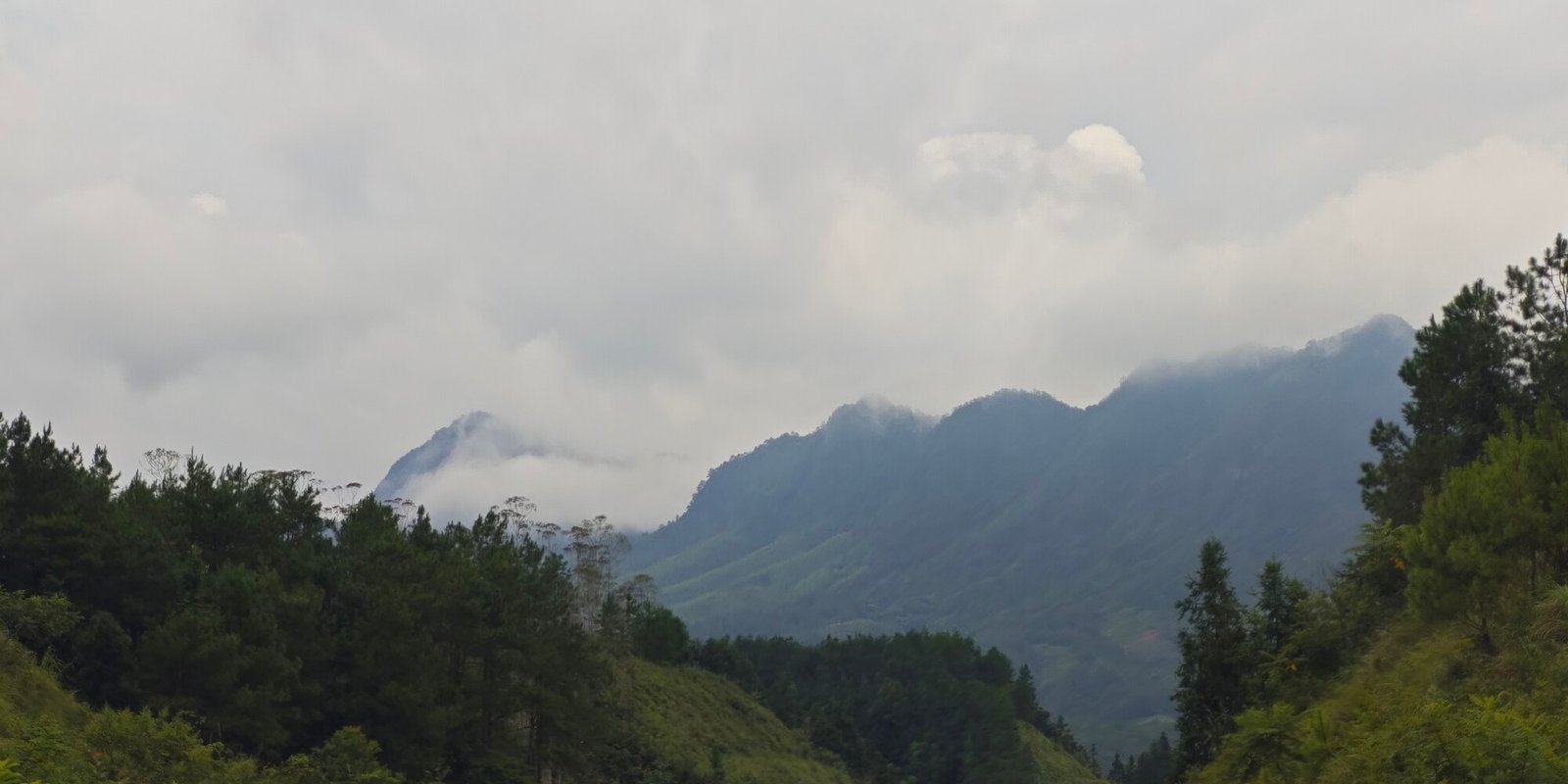
Nanning sits in a shallow basin in southern Guangxi, roughly 160 kilometers from the Vietnamese border, ringed by low hills and cut through by the Yong River. Qingxiu Mountain rises over the southern edge of downtown, and the city is dense with parks and tree-lined boulevards — enough that it’s often ranked among China’s greenest cities. The climate is subtropical monsoon: hot, humid summers, mild winters, and a rainy season that runs from May through October. Spring and autumn are the easiest times to walk the city comfortably.
From Jinxing to Nanning
The city’s history stretches back roughly 1,700 years, to 318 CE, when the Eastern Jin dynasty established Jinxing County on this site. During the Tang dynasty it was renamed Yongzhou, which is why “Yong” is still used as Nanning’s shorthand today. The name “Nanning” — literally “pacified south” — was adopted under the Yuan dynasty in 1318. Centuries later, in the Ming dynasty, the city earned the nickname “Little Nanjing” for its layout and stature. Nanning became Guangxi’s provincial capital in 1950, shortly after being liberated, and kept that role when the Guangxi Zhuang Autonomous Region was established in 1958 — a status it’s held for over seventy years as the region’s political, economic, and cultural center.
Laoyou Noodles and the Taste of Nanning
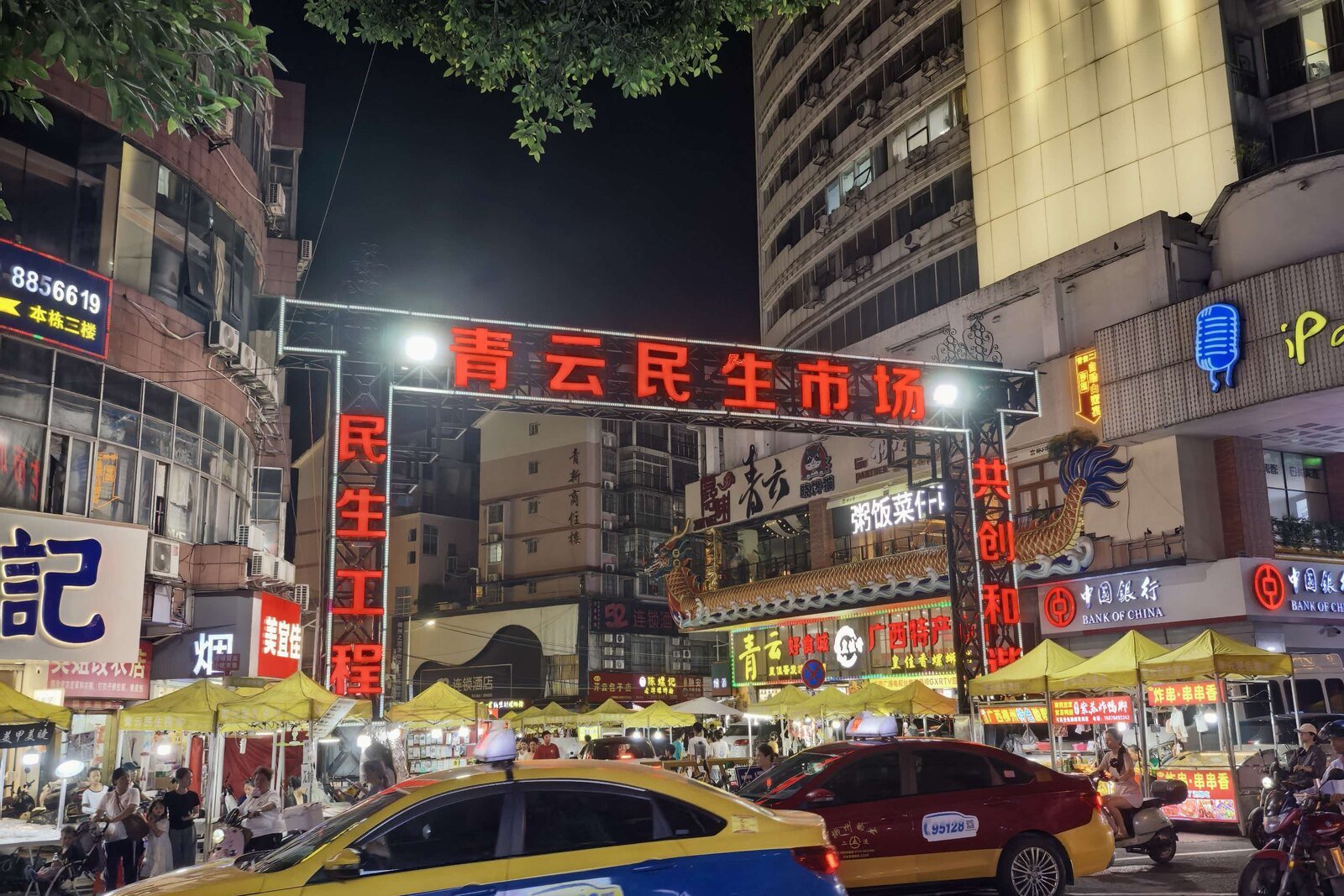
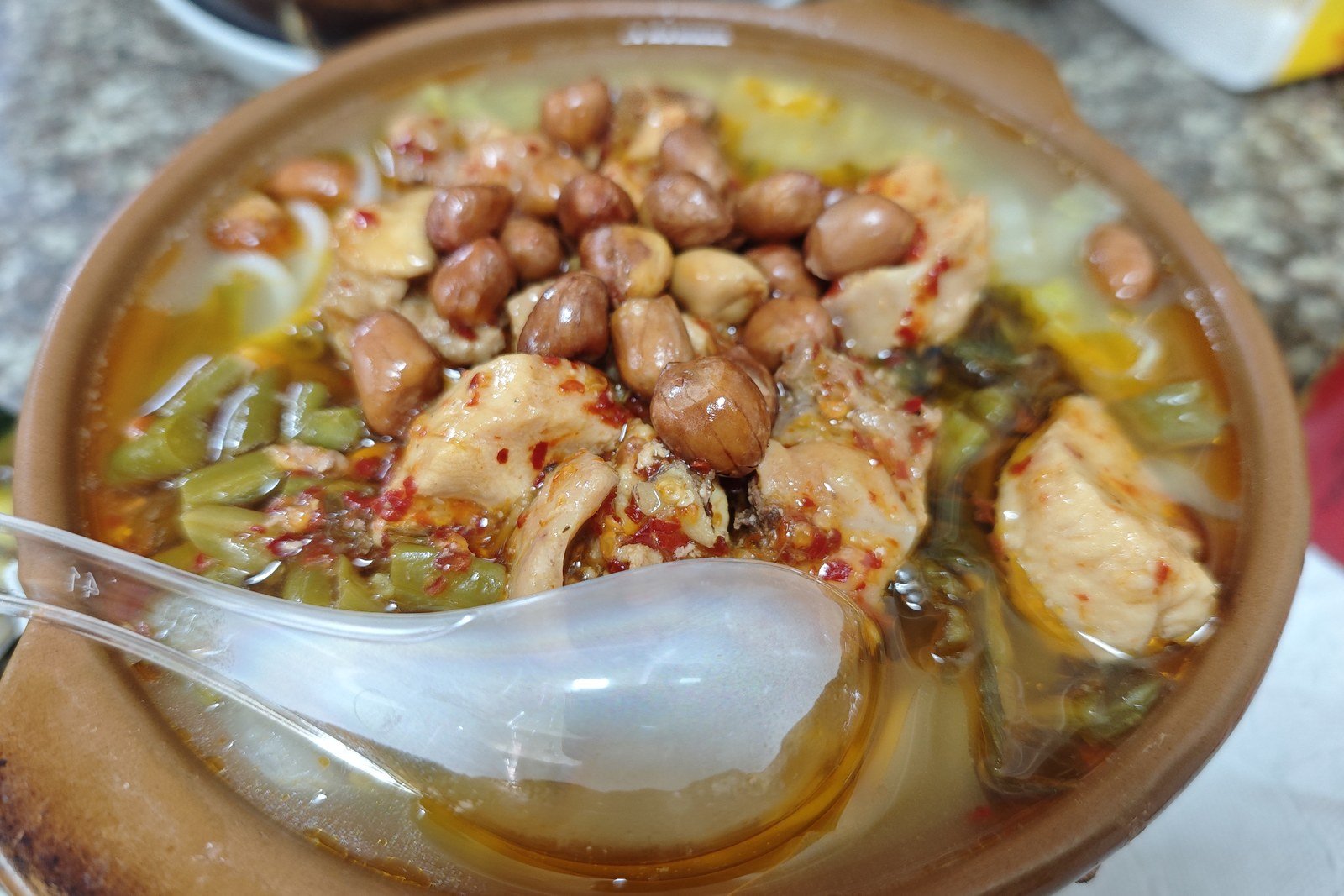
If Guilin has its rice noodles and Liuzhou has luosifen, Nanning’s signature dish is laoyoumian — “old friend noodles.” Local lore traces it to a tea-house regular who fell ill and lost his appetite; a friend at the shop stir-fried noodles with fermented black beans, chili, garlic, and pickled bamboo shoots to warm him up and bring his appetite back, and the sour, spicy, deeply savory bowl that resulted stuck around under that name. It’s still the dish most locals will tell you to order first. Beyond laoyoumian, Nanning’s food scene draws on both Zhuang and Cantonese influences, along with a steady undercurrent of Southeast Asian flavor thanks to its ASEAN ties — expect good rice noodle soups, snail-based broths, and a lively night market culture built around skewers and cold rice wine.
Qingxiu Mountain, Nanhu Park, and the City’s Green Spaces
Qingxiu Mountain Scenic Area is the city’s best-known green space — a hillside park of gardens, pagodas, and river views that’s been a retreat for city residents for centuries. Nanhu Park, built around a central lake, is a popular spot for an early morning walk or an evening stroll past fountains and flower displays. For a deeper look at the region’s cultural fabric, the Guangxi Museum of Nationalities covers the traditions of the Zhuang and the area’s other ethnic communities, from textiles to bronze drums. None of these sites demand a full day — which makes Nanning an easy city to pair with a wider Guangxi itinerary rather than a destination you need to carve out extra time for.
An ASEAN Gateway With Its Own Soundtrack
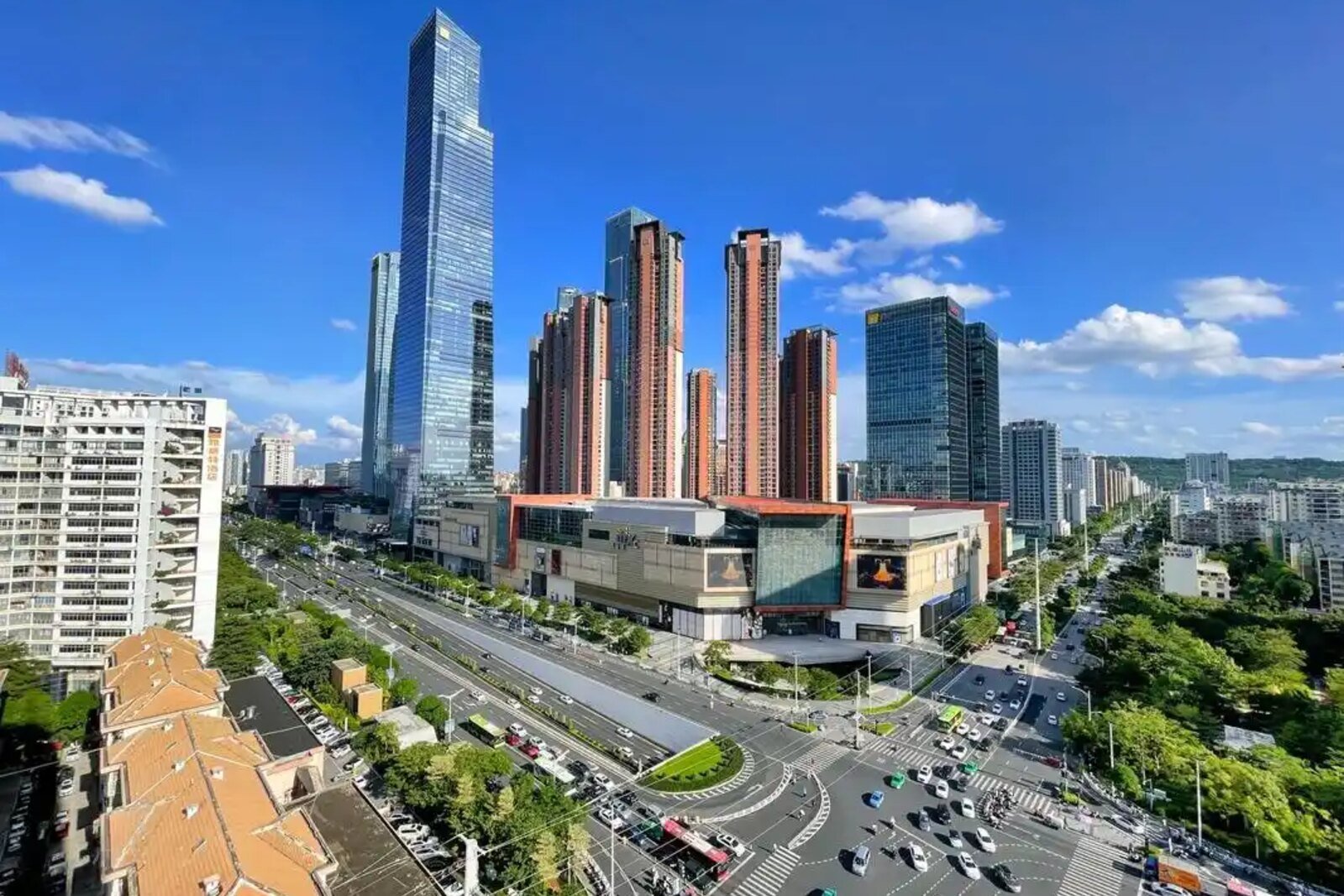
Nanning’s modern identity is built on its role as China’s bridge to Southeast Asia. Since 2004, the city has hosted the China-ASEAN Expo (CAEXPO) each year, drawing delegations and trade from across the region and reinforcing Nanning’s position as a genuine door between China and its southern neighbors — a role that shapes everything from the city’s convention infrastructure to its food stalls. The city also has a long-running folk song tradition, tied to the broader Zhuang “Third Sister Liu” (Liu Sanjie) legend celebrated across Guangxi, and has built an annual folk song festival around it that blends traditional and contemporary performance. Together, the expo and the festival give Nanning a split personality: part trade hub, part cultural showcase.
Planning a Visit
Nanning Wuxu International Airport connects the city regionally and to parts of Southeast Asia, while Nanning East Railway Station puts it on the high-speed rail network linking Guangxi’s cities, including Liuzhou and Guilin, usually in well under two hours. Within the city, buses and ride-hailing cover most needs, and the main sights cluster closely enough to see on foot or with short rides. Spring and autumn offer the most comfortable weather for sightseeing; if your trip coincides with the China-ASEAN Expo in autumn, expect a livelier — and busier — city than usual. For most travelers, a day or two is enough to get a feel for Nanning before moving on to the rest of Guangxi, but it’s worth those two days: a green, unhurried capital that’s easy to underestimate until you’re standing on Qingxiu Mountain looking down at the river bend below.